
(952) 345-2500
Call Us
Our Blog
-
The pro-rata rule: the backdoor Roth IRA mistake that can create an unexpected tax bill
- November 18, 2026
- Posted by: Cummings, Keegan & Co
- Category: Article
No Comments
The backdoor Roth IRA strategy can trigger an unexpected tax bill if you overlook the pro-rata rule, which requires the IRS to treat all of your traditional IRA balances together when calculating how much of a conversion is taxable. A separate account, a prior 401(k) rollover, or even a year-end IRA balance you didn’t have at the time of conversion can all affect the result. Before contributing or converting, review your full IRA picture to avoid a costly surprise at tax time.
-
Before you max out your 401(k), ask these 3 questions
- November 11, 2026
- Posted by: Cummings, Keegan & Co
- Category: Article

Maxing out your 401(k) sounds like a smart retirement move, but the contribution limit is not a savings recommendation. Before hitting that maximum, you should weigh your liquidity needs and near-term financial goals, make sure you are capturing your full employer match, and determine whether a 401(k), IRA, or HSA is the right home for each retirement dollar. Your financial plan, not the IRS limit, should guide how much you contribute and where.
-
New IRS per diem rates in effect as of October 1
- November 4, 2026
- Posted by: Cummings, Keegan & Co
- Category: Article

The IRS has released its 2026-2027 special per diem rates for business travel, and the changes took effect October 1st. If your company reimburses employees for travel expenses, now is the time to update your rates, review your reimbursement policy, and ensure your expense systems reflect the latest IRS guidance before outdated rates create compliance problems. Read our latest article to learn what changed, what it means for your business, and what your finance team should do right now.
-
The IRS is retiring FIRE: what businesses need to change before filing 1099s in 2027
- October 28, 2026
- Posted by: Cummings, Keegan & Co
- Category: Article

Beginning with the 2027 filing season, the IRS will require businesses to submit information returns through its new IRIS system instead of FIRE. The shift affects how Forms 1099 are filed, who needs a new transmitter authorization, and how corrections are handled. Find out what your business needs to verify before FIRE shuts down in November 2026.
-
The IRS has a new mobile app. Here’s what taxpayers can do with it.
- October 21, 2026
- Posted by: Cummings, Keegan & Co
- Category: Article
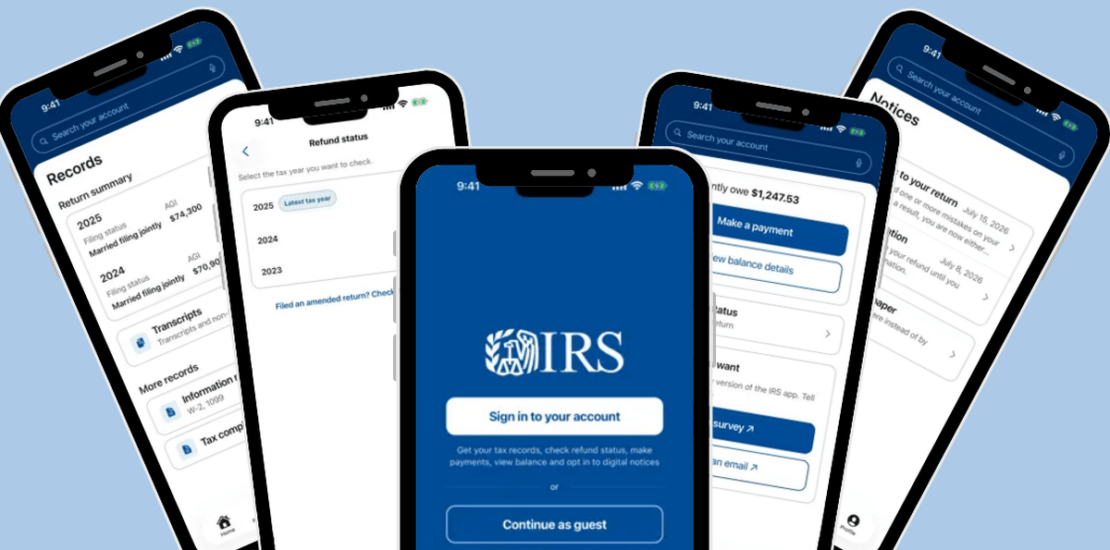
The IRS has launched a new mobile app that replaces IRS2Go, giving taxpayers quick access to refund status, payment history, tax records, IRS notices, and Identity Protection PINs. This article walks through what the app can do and how to use it safely. If something in your IRS account raises questions, a tax professional can help you make sense of it.
-
How much cash should your business actually keep?
- October 14, 2026
- Posted by: Cummings, Keegan & Co
- Category: Article

How much cash should your business keep on hand? The answer depends on more than a simple rule of thumb. This article breaks down a practical framework for separating your cash into layers, covering operating needs, committed funds, and contingency reserves, so you can make smarter decisions about liquidity, capital allocation, and when cash truly becomes excess.
-
Q4 tax planning: what needs to happen, and when?
- October 7, 2026
- Posted by: Cummings, Keegan & Co
- Category: Article

Q4 tax planning is not a single deadline; it’s a series of decisions that each have their own timing. Some strategies require lead time to execute, others depend on an updated year-end forecast, and some work can legitimately carry into the new year. Knowing which category each decision falls into is what separates effective fourth quarter planning from a last-minute scramble in December.
-
Fraud prevention strategies for nonprofit organizations
- September 16, 2026
- Posted by: Cummings, Keegan & Co
- Category: Article

Nonprofits are disproportionately vulnerable to occupational fraud due to small administrative teams, part-time board oversight, and heavy reliance on cash-based transactions. Asset misappropriation schemes such as skimming, billing fraud, and expense reimbursement abuse are among the most common threats, and the typical scheme goes undetected for over a year. By implementing practical internal controls, strengthening board oversight, and engaging a CPA proactively, nonprofits can significantly reduce their exposure before a loss occurs.
-
Form 990 filing mistakes that can undermine your nonprofit’s credibility
- September 9, 2026
- Posted by: Cummings, Keegan & Co
- Category: Article

Form 990 is more than a tax return; it’s a public document that donors, grantmakers, and regulators use to evaluate your nonprofit. Common mistakes in filing, reconciliation, and narrative disclosures can raise questions about financial stewardship or put your tax-exempt status at risk. This article outlines the key errors to avoid and how to build a more reliable year-over-year filing process.
-
Construction accounting that reveals problems early: job costing, change orders, and WIP reporting
- September 2, 2026
- Posted by: Cummings, Keegan & Co
- Category: Article

Construction businesses can stay profitable on paper while margin quietly slips away on individual jobs. This article explains how job costing, change-order management, and work-in-progress reporting work together to surface problems early. Learn what to look for in each system and how to keep all three telling the same story before issues become year-end surprises.